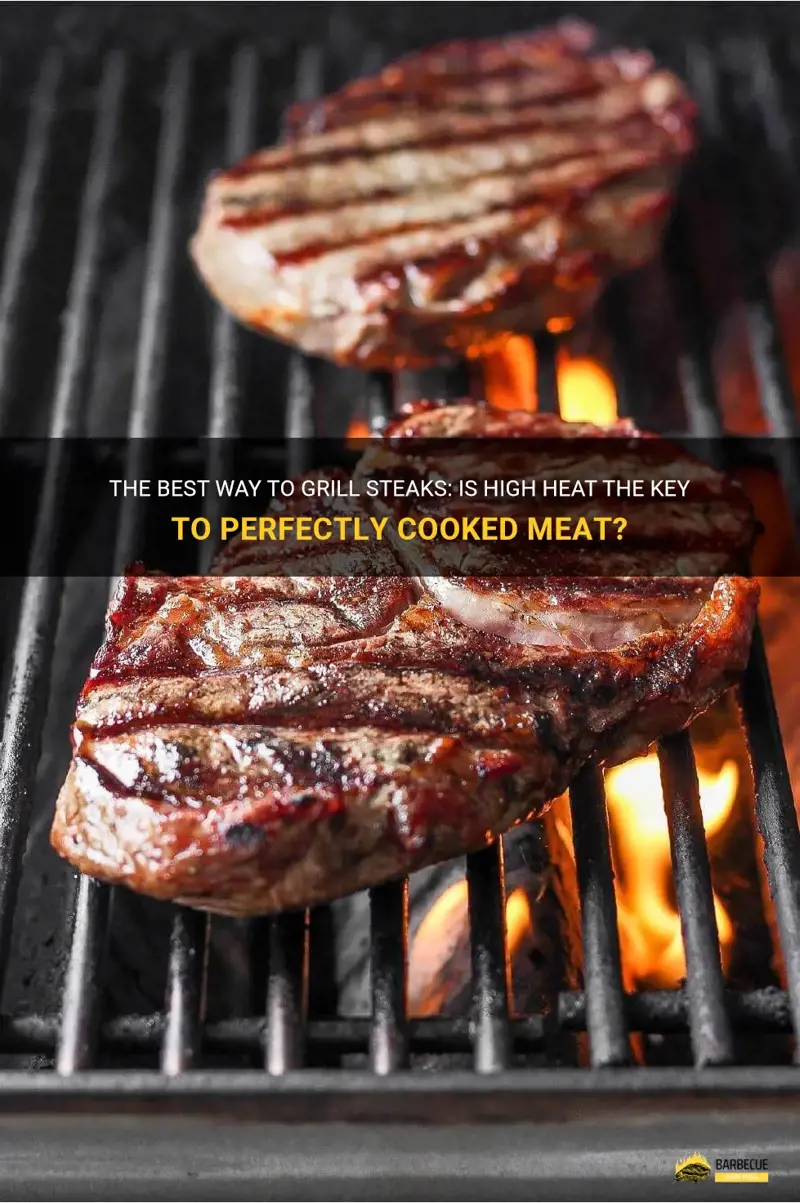
Mastering the Sear: Unleashing Flavor with High Heat Grilled Steak
There’s a primal satisfaction in a perfectly grilled steak – a steak with a deeply caramelized, savory crust giving way to a tender, unbelievably juicy interior. It’s the kind of culinary triumph often associated with steakhouses and seasoned chefs, but with the right approach, this restaurant-quality experience is entirely achievable in your own backyard. The secret? High heat grilling. This method isn't just about cooking; it's about transforming, leveraging intense temperatures to unlock incredible flavors and textures that simply can't be replicated any other way.
From the sizzle and smoke to the rich aroma that fills the air, grilling a steak over high heat is a culinary adventure. We'll delve into the science and technique behind this revered method, ensuring every grilled steak you prepare is a masterpiece of seared excellence and succulent tenderness. Forget dry, overcooked meat; get ready to master the art of the perfect sear.
The Science Behind the Sizzle: Why High Heat Reigns Supreme for Grilled Steak
High heat is the cornerstone of a truly exceptional grilled steak, and its effectiveness is rooted in a fascinating chemical reaction known as the Maillard reaction. This isn't just about browning; it's a complex interplay between amino acids and reducing sugars that occurs at temperatures above 300°F (150°C), creating hundreds of new flavor compounds. When you apply high heat to the surface of a steak:
- Rapid Browning and Flavor Development: The intense heat quickly elevates the surface temperature of the meat, initiating the Maillard reaction. This creates that desirable deep brown, flavorful crust, often with char marks that add a smoky, slightly bitter complexity.
- Juice Retention: While a common misconception, high heat doesn't "seal" in juices. Instead, by cooking the exterior rapidly, it creates a delicious barrier. More importantly, the speed of cooking means the steak spends less time on the heat, minimizing overall moisture loss and ensuring the internal meat remains tender and juicy. Thick-cut steaks (at least 1.5 inches thick) are particularly suited for high-heat grilling, as their mass allows for a substantial crust to form without overcooking the center.
- Caramelization of Fats: The high temperatures also caramelize the natural sugars within the meat and render the fat, contributing to a richer, more complex taste profile and an incredibly satisfying mouthfeel.
Understanding these principles is the first step toward transforming your grilling game. It’s about more than just turning on the flame; it’s about harnessing the power of heat for optimal flavor and texture.
Preparing Your Steak for Peak Performance: Essential Pre-Grill Steps
Even the highest heat can't salvage a poorly prepared steak. The journey to a perfect grilled steak begins long before it hits the grates. These foundational steps ensure even cooking, maximum flavor, and that enviable tender result.
Choosing the Right Cut
Not all steaks are created equal for high-heat grilling. Opt for cuts known for their marbling (intramuscular fat), which adds flavor, moisture, and tenderness:
- Rib-eye: Often considered the king of steaks, rib-eyes boast abundant marbling and a rich, beefy flavor, ensuring a tender and juicy outcome.
- New York Strip: A fantastic balance of tenderness and chew, New York strip steaks are well-marbled but typically leaner than rib-eyes, offering a robust beef flavor.
- Filet Mignon: For those who prioritize tenderness above all, filet mignon is lean with a delicate, buttery texture and milder beef flavor.
Regardless of the cut, aim for steaks that are at least 1.5 inches thick. Thicker cuts are more forgiving, allowing you to achieve a substantial sear without overcooking the interior.
Bringing Steaks to Room Temperature
This is a crucial, often overlooked step. Remove your steaks from the refrigerator about 20-30 minutes before grilling. A steak with the chill taken off will cook more evenly from edge to center. A cold center will force you to keep the steak on the grill longer to reach your desired doneness, increasing the risk of overcooking the exterior.
Oiling for Success
Lightly brush your steaks with a high smoke point oil like canola oil, grapeseed oil, or even a light olive oil. This serves a few vital purposes:
- Prevents Sticking: A thin layer of oil acts as a barrier, preventing the meat from adhering to the hot grill grates.
- Promotes Even Browning: The oil helps conduct heat evenly across the steak's surface, contributing to a more uniform and appealing crust.
- Adds Flavor (Optional): While a neutral oil is ideal, you can infuse subtle flavors by adding crushed garlic or a sprig of rosemary to the oil if desired.
Seasoning Liberally: The Flavor Foundation
This is not the time for timid seasoning. High-heat grilling demands a generous hand with your spices. Chef Bobby Flay famously advocates for liberal seasoning, and for good reason:
- Kosher Salt: Use a coarse salt like Kosher salt. Its larger crystals adhere well to the meat and penetrate deeper, ensuring an evenly seasoned steak from edge to center. Seasoning at least 40 minutes before cooking allows the salt to draw out some moisture, then reabsorb, leading to a more tender and flavorful result. If you don't have that much time, season immediately before grilling to avoid the initial moisture draw.
- Freshly Ground Black Pepper: Complement the salt with freshly ground black pepper for a pungent, aromatic kick.
- Optional Additions: Consider a touch of garlic powder or your favorite steak rub, but remember that the fundamental flavors come from salt, pepper, and the quality of the beef itself.
Mastering the Flame: Grilling Techniques for That Perfect Sear
With your steaks prepped, it's time to face the flames. This is where technique transforms ingredients into a culinary triumph.
Preheating: The Foundation of the Sear
Regardless of whether you're using a gas or charcoal grill, thorough preheating is non-negotiable for high-heat grilling. Aim for your grill to reach at least 500°F (260°C). For gas grills, turn all burners to high and close the lid for 10-15 minutes. For charcoal, build a pile of lit lump charcoal (preferred for its higher, cleaner burn) in one zone to create a very hot direct cooking area. This intense heat is what initiates the Maillard reaction the moment the steak hits the grates.
The Two-Zone Setup (A Smart Strategy)
While high-heat direct grilling is key for the sear, a two-zone setup is your secret weapon, especially for thicker steaks or when aiming for a precise internal temperature:
- Direct Heat Zone: This is your searing station, where temperatures are scorching hot.
- Indirect Heat Zone: A cooler area of the grill (with no direct flame or coals beneath it) where you can move the steak to finish cooking gently without burning the exterior, or to perform a reverse sear.
Grilling for Doneness: Timing and Temperature
Place your seasoned, oiled steaks directly over the hottest part of the grill. You’ll hear that satisfying sizzle immediately. For the best crust, resist the urge to move the steak too soon. Allow it to develop a deep brown crust before flipping. While some grill masters advocate for frequent flipping to cook more evenly, a single flip (or two for crosshatch grill marks) can yield a beautiful, robust crust on each side.
For accurate results, an instant-read digital thermometer is your best friend. Insert it into the thickest part of the steak, avoiding bone and fat pockets. Here are general guidelines, but always cook to temperature, not just time:
- Medium-Rare (130-135°F / 54-57°C): Grill for 3-5 minutes per side. Remove at 130°F, it will rise to 135°F while resting.
- Medium (135-140°F / 57-60°C): Grill for 5-7 minutes per side. Remove at 135°F, it will rise to 140°F while resting.
- Medium-Well (145-150°F / 63-66°C): Grill for 8-10 minutes per side. Remove at 145°F, it will rise to 150°F while resting.
For an even deeper dive into achieving the perfect doneness, check out our Beginner's Guide: Grill Steak to Perfect Doneness Every Time.
The Art of Patience: The Crucial Resting Period
You’ve achieved that perfect sear and hit your target internal temperature. Congratulations! But your work isn't quite done. The most common mistake after grilling is cutting into the steak too soon. This crucial resting period is non-negotiable for a truly juicy steak.
Why Resting is Essential
When meat cooks, its muscle fibers contract, squeezing juices towards the center. If you slice into the steak immediately after removing it from the grill, those juices will gush out onto your cutting board, leaving you with a drier, less flavorful piece of meat. Resting allows the muscle fibers to relax, reabsorbing and redistributing those precious juices throughout the steak. The result? Every bite is moist, tender, and bursting with flavor.
How to Rest Your Steak
Transfer your cooked steak to a cutting board. Loosely tent it with aluminum foil. This keeps the steak warm without trapping steam, which can make the crust soggy. For most high-heat grilled steaks, a resting period of 5-10 minutes is ideal. For thicker cuts, you might extend this to 10-15 minutes.
Pro Tips for Elevated Grilled Steak Success
Beyond the core techniques, a few expert insights can take your high-heat grilled steak from excellent to extraordinary:
- Consider the Reverse Sear for Thick Cuts: For steaks 2 inches thick or more, a reverse sear is often superior. Start by cooking the steak over indirect heat until it reaches about 10-15 degrees below your final target temperature (e.g., 115°F for medium-rare). Then, transfer it to the screaming hot direct zone for 1-2 minutes per side to achieve that deep, incredible crust.
- Clean Your Grates: Always start with clean grill grates. Food is less likely to stick, and you’ll get clearer, more attractive grill marks. Preheat your grill, then use a sturdy wire brush to scrape off any residue from previous cooks.
- Pat Dry Before Oiling: Excess surface moisture can hinder the searing process, essentially steaming the meat rather than browning it. Pat your steaks thoroughly dry with paper towels before applying oil and seasoning.
- Don't Be Afraid of Flare-Ups (Within Reason): A little char is good, but excessive flare-ups can burn your steak and leave a acrid taste. Keep a spray bottle of water nearby to quell aggressive flames if necessary, or move the steak to a cooler zone temporarily.
- Bobby Flay's Wisdom: For more tips from a grilling legend, delve into Bobby Flay's Top Tips for Juicy, Perfectly Grilled Steaks. His approach often emphasizes bold flavors and precise execution, which aligns perfectly with high-heat grilling.
Conclusion
Mastering high-heat grilling for grilled steak is an immensely rewarding culinary skill. It's a combination of understanding the science, executing precise preparation steps, and confidently commanding your grill. By focusing on quality cuts, thorough seasoning, intense searing temperatures, and a patient resting period, you're not just cooking a meal; you're crafting an experience. So fire up your grill, embrace the heat, and prepare to serve up a seared, juicy masterpiece that will impress every time.
